If you’re asking “do you need a degree to be a DJ,” the simple answer is no. You don’t need a formal qualification to get started, but there are still some important things you do need if you want to take DJing seriously and turn it into a career.
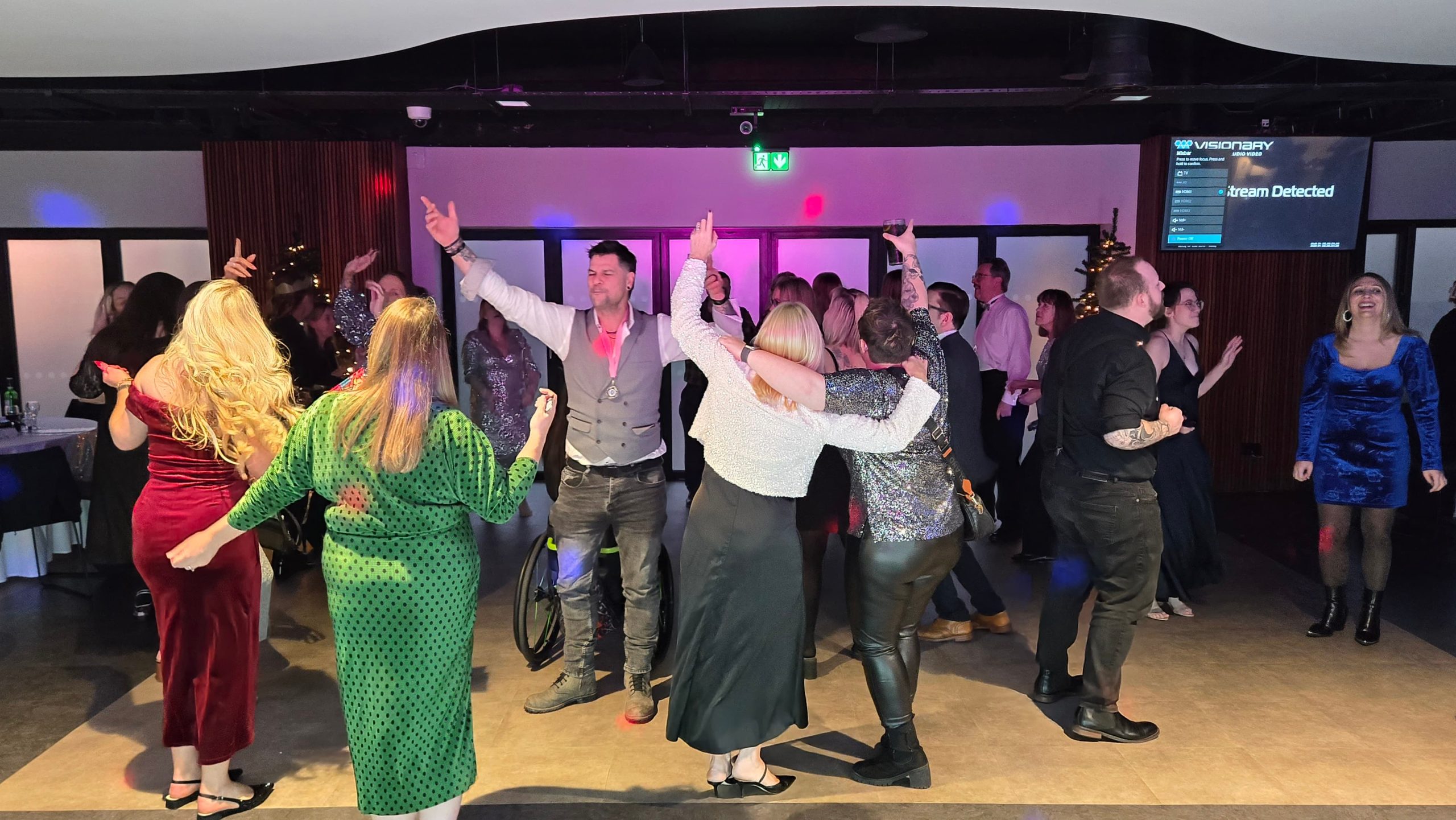
Whether you’re thinking about playing at parties, weddings, or even clubs, becoming a DJ is far more about skill, experience, and professionalism than academic qualifications.
Do You Need a Degree to Be a DJ?
You do not need a degree to be a DJ. There are no formal education requirements to start DJing, and many successful DJs are completely self-taught.
What matters most is your ability to read a crowd, mix music smoothly, and create an atmosphere that keeps people on the dancefloor. These are skills that come from practice, not from a classroom.
That said, while you don’t need a degree, there are a few essential things you do need if you want to work professionally.
What Do You Actually Need to Be a DJ?
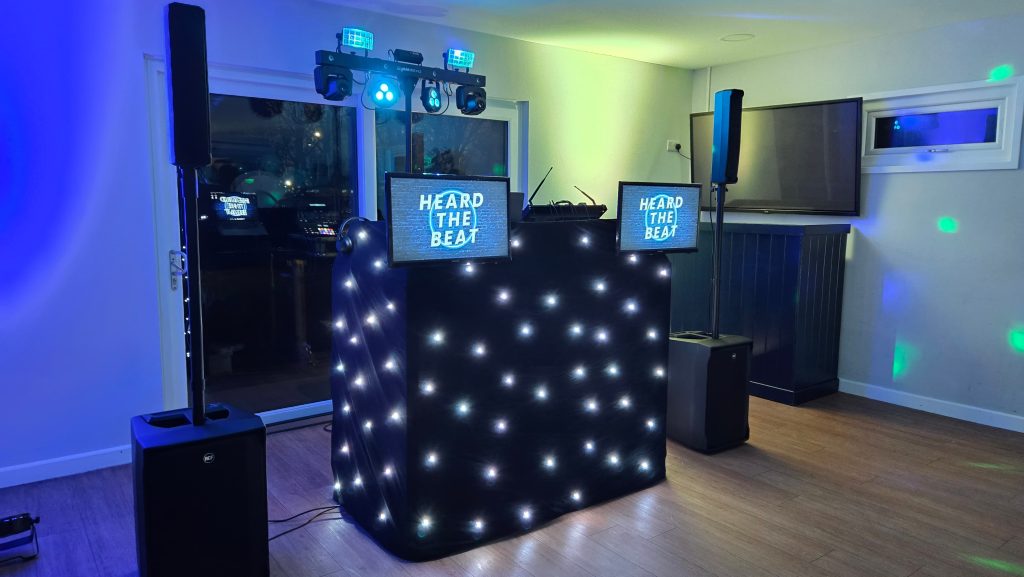
To work as a DJ, especially at paid events, you’ll need to be set up properly and professionally.
At a minimum, this includes having Public Liability Insurance (PLI), carrying out risk assessments, and ensuring your equipment is PAT tested. These are essential for working at venues, particularly weddings and corporate events, where safety and compliance are taken seriously.
Beyond the legal side, you’ll also need reliable equipment, a good music library, and a professional attitude. These are the things that will help you get repeat bookings and build a reputation.
Do You Need Music Theory to Be a DJ?
You don’t need formal music qualifications, but having a basic understanding of music theory is a big advantage.
Knowing how songs are structured and understanding beats, bars, phrases, and BPMs will make mixing much easier. It helps you transition between tracks smoothly and keeps the energy flowing on the dancefloor.
The good news is this is something you can build over time with practice. The more you mix, the more natural it becomes.
How to Get Started as a DJ
If you’re asking “do you need a degree to be a DJ,” there’s a good chance you’re thinking about getting started yourself.
The best advice is simple: just go for it.
Pick up a second-hand controller, download some DJ software like Virtual DJ, and start practising. You can learn a lot just by mixing at home and experimenting with different tracks.
From there, you can start small by playing at friends’ parties or family events. This is a great way to build confidence and gain real-world experience before moving into paid gigs.
Turning DJing Into a Career
Once you’ve built your skills and confidence, you can start turning DJing into a business.
This means building a brand, getting your name out there, and offering a professional service. Many DJs start by focusing on weddings and private events, which can be a great way to grow consistently.
If you’re looking for inspiration or want to see what a professional setup and service looks like, you can check out my wedding DJ services here:
https://heardthebeat.co.uk/wedding-dj/
Final Thoughts
So, do you need a degree to be a DJ? No, you don’t.
What you do need is passion, practice, and a willingness to learn. Add in the right setup, proper insurance, and a professional approach, and you’ve got everything you need to get started.
If it’s something you’re thinking about, don’t overthink it. Start small, keep practising, and enjoy the process.